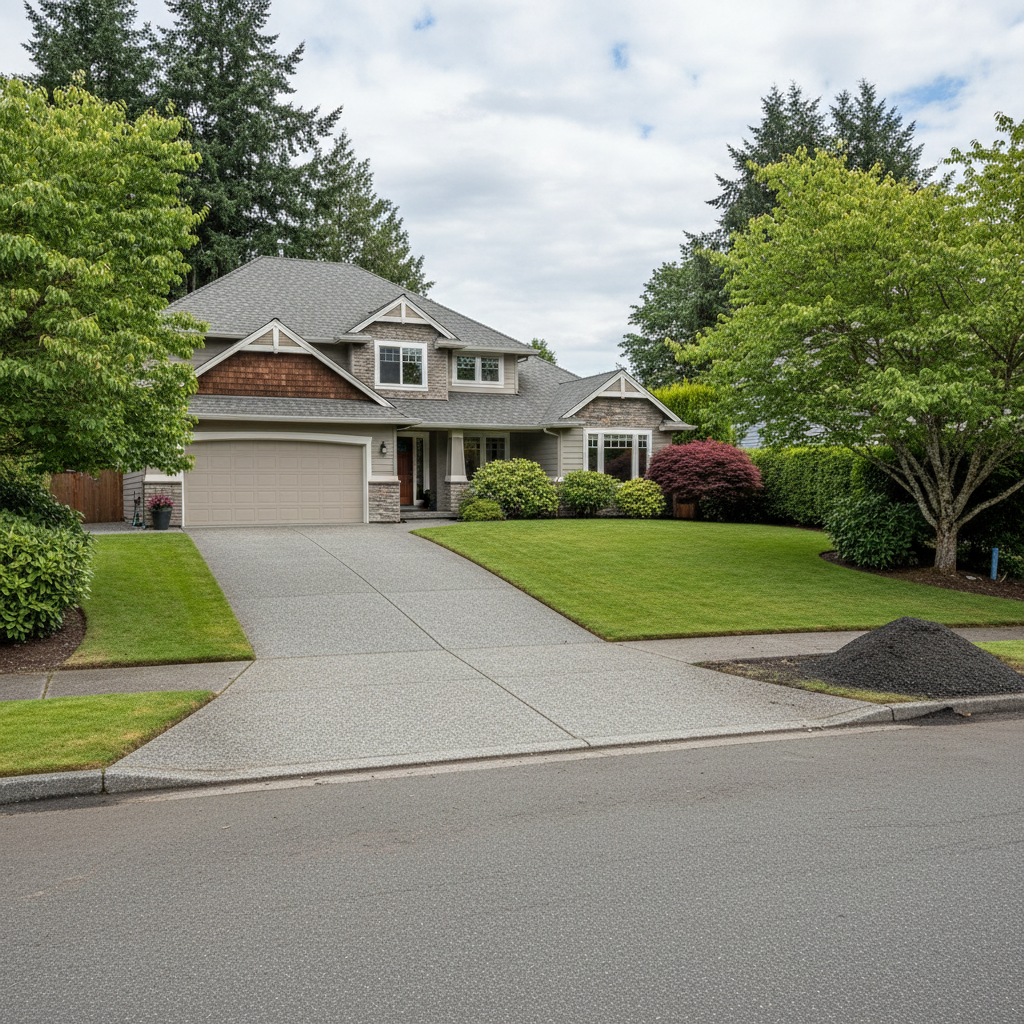
Thinking About an Asphalt Milling Project? Here's What Homeowners Need to Know
So, you're eyeing asphalt milling for your driveway, huh? Maybe it's got cracks spreading like crazy, or the surface is just plain tired, but you know the base underneath is still solid. Milling is a smart move when you want to refresh your pavement without ripping everything out and starting from scratch. It saves you money, saves you time, and hey, it's a greener choice too. But how do you actually plan for something like this? Let's figure it out.
The Timeline: From Your First Thought to a Brand New Surface
Don't expect this whole thing to happen overnight. A good milling project, done right, needs some coordination. Here's a general timeline you can probably expect:
- Your First Call & The Estimate (1-2 weeks): You'll probably ring up a few contractors. They'll come out, measure your driveway, check out its condition, and then give you a quote. This is your chance to get a feel for who you might want to work with.
- Getting on the Schedule (2-4 weeks out): Once you pick a contractor and sign on the dotted line, they'll get you onto their schedule. Good ones are usually booked a few weeks ahead, especially during our drier summer months here in Kirkland.
- Permits (If You Need One, 1-3 weeks): For residential driveways, you typically won't need a permit for milling and repaving. That is, unless you're changing the actual size of the driveway or connecting it to the city's right-of-way. Your contractor should definitely confirm this for you. If a permit *is* needed, well, that adds some time.
- The Actual Work (1-3 days): The work itself goes pretty fast. Milling usually takes less than a day for a typical driveway. Paving might happen the same day, or maybe the next.
- Curing (7+ days): After that fresh asphalt is laid, it needs time to harden up. You can usually drive on it lightly after a day or two, but seriously, avoid heavy trucks or sharp turns for at least a week. Sometimes longer, depending on the weather.
What Happens When the Crew Shows Up?
When the team arrives, things are going to get busy. Here's a rundown of what you'll see:
- Equipment Arrives: A milling machine, dump trucks, pavers, rollers, and other gear will show up. It's a lot of machinery, so expect some noise.
- Milling Begins: The milling machine will grind off that top layer of your old asphalt. It's quite a sight to behold, honestly. This creates a rough, textured surface — perfect for the new layer to stick to.
- Cleanup Time: The milled material (that's reclaimed asphalt pavement, or RAP) gets loaded into dump trucks and hauled away. Some contractors might offer to leave some for you if you want it for a path or a shed base, but usually, it's all removed.
- Base Check: After milling, the crew will inspect the base layer underneath. If they find any soft spots or problems, they'll fix them right then. This step is super important for a driveway that lasts.
- Tack Coat: A sticky, liquid asphalt emulsion, which we call a tack coat, gets sprayed over the milled surface. Think of it like glue, making sure the new asphalt really grabs on.
- Paving: Fresh, hot asphalt mix is then laid down by a paver. The crew will be hustling to spread and smooth it out.
- Compaction: Rollers then press down on the new asphalt, making it dense and smooth. This is what gives your driveway its final look and strength.
It's a pretty efficient process, but for a day or two, your property will definitely be a construction zone. Keep kids and pets away from the work area for their own safety.
How to Get Your Property Ready
A little bit of prep work on your end makes everything smoother for everyone involved:
- Clear Out the Driveway: Move all vehicles, trash cans, basketball hoops, potted plants, and anything else off and around the driveway.
- Trim Any Low Branches: If you've got trees with branches hanging low over the driveway, trim them back. This gives the big equipment plenty of room to operate without causing damage.
- Mark Sprinklers/Utilities: If you have any sprinkler heads, invisible dog fences, or other buried utilities near the edge of your driveway, mark them clearly with flags or paint. We really don't want to accidentally hit them.
- Tell Your Neighbors: Give your neighbors a heads-up about the work. There will be noise, and maybe some temporary access issues.
- Plan for No Driveway Access: You won't be able to use your driveway for at least a day or two, possibly longer. Figure out where you'll park your cars and how you'll get in and out of your house.
Questions to Ask Before You Sign Anything
You're putting good money into your home, so don't be shy about asking questions. Here's what I'd want to know if I were in your shoes:
- What exactly does the price include? Get a detailed breakdown. Does it cover hauling away the milled material? Any base repairs? The tack coat?
- How thick will the new asphalt layer be? For residential driveways, you typically want at least 2 inches of new asphalt after it's compacted.
- What kind of asphalt mix are you using? There are different mixes out there. A good contractor like Ace Asphalt Paving will use one that's right for residential traffic and our local Kirkland weather, which, as we know, can get pretty wet and cold.
- What's your warranty like? A reputable contractor should offer a warranty on their work, usually for a year or two, covering any defects in materials and how they did the job.
- Are you licensed and insured? This is non-negotiable, plain and simple. Ask for proof of both. You don't want to be on the hook if something goes wrong on your property.
- Can you give me references? Ask for a few recent local projects you can drive by, or even chat with the homeowners.
- What's the payment schedule? Most contractors will ask for a deposit and then the final payment once the job is done. Steer clear of anyone asking for the whole amount upfront.
- How do you deal with unexpected problems? Sometimes, once the old asphalt is milled, you find issues with the base that weren't visible before. Ask how they'll tell you about these and what the process is for approving any extra work.
Getting your driveway milled and repaved is a big project, no doubt about it. But with some good planning and the right contractor, you'll end up with a beautiful, durable surface that really boosts your Kirkland home's curb appeal and value. Take your time, ask those tough questions, and you'll be happy with the outcome.