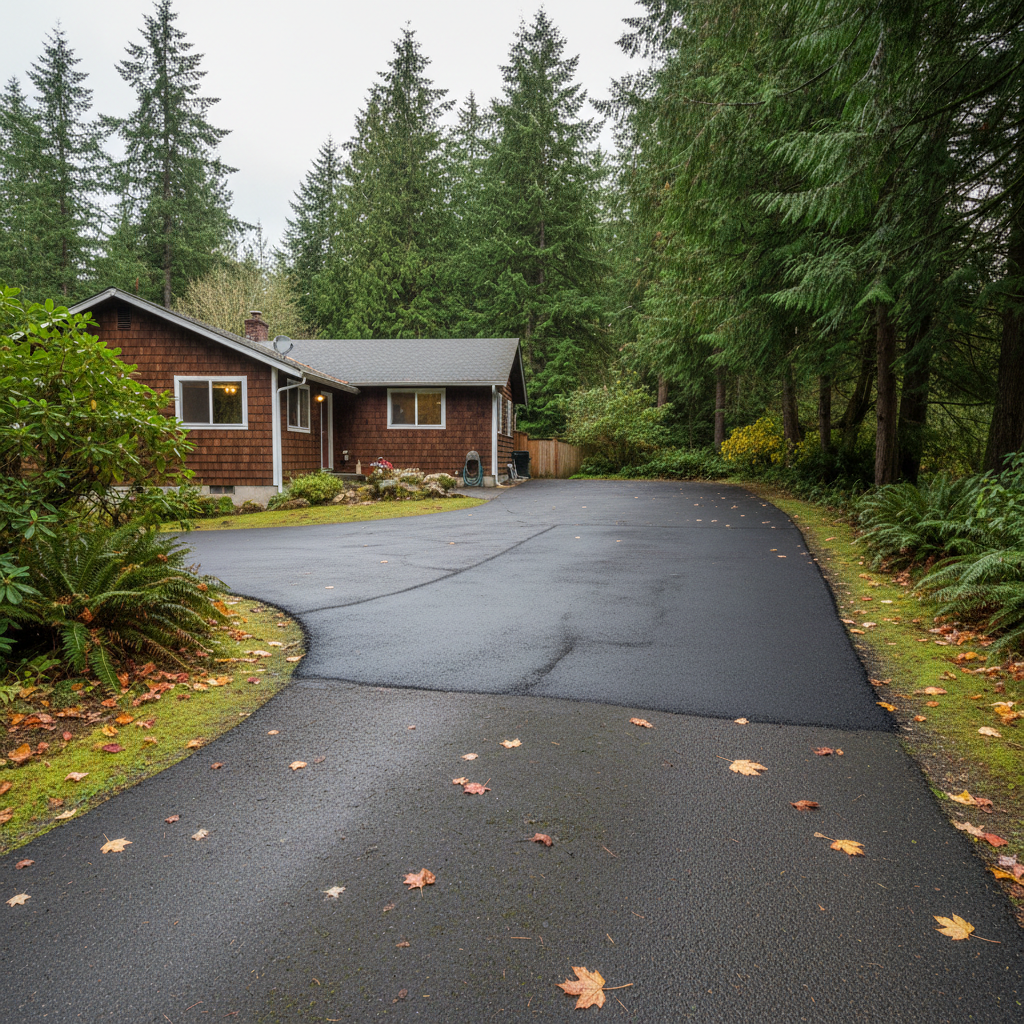
Seeing cracks or potholes pop up in your asphalt driveway? That's a pretty common sight around Kirkland, especially after one of our rough winters. But before you just call someone to patch it up, you really need to think about when you're getting that work done and what the weather's doing. Trust me, it makes a huge difference in how long that patch actually holds up.
When's the Best Time for Asphalt Patching?
Honestly, the sweet spot for asphalt patching in our neck of the woods is usually late spring through early fall. Think May, June, July, August, and September. Why then? Because you need consistent, warmer temperatures for the asphalt to cure properly. When it's too cold, the asphalt mix just doesn't bind as well, and you end up with a weaker patch that's much more likely to fail quickly. We're talking daytime temps consistently above 50 degrees Fahrenheit, ideally even warmer.
You might see some folks patching in colder weather, but that's often just a temporary fix, a band-aid to get through the winter. If you want a repair that truly lasts, you've got to wait for the right conditions. It's like trying to paint a house in the rain – it just doesn't stick right, does it?
Weather Conditions That Affect Patching Work
Beyond just temperature, there are a few other weather factors we're always watching here at Ace Asphalt Paving:
- Rain: This is a big one. You simply can't patch asphalt effectively on a wet surface. The water prevents proper adhesion, and the patch will likely delaminate or crumble out fast. We need dry conditions, and not just for the day of the patch, but ideally for a day or two leading up to it so the existing surface is thoroughly dry.
- Extreme Heat: While warmth is good, scorching hot days can also be a challenge. If it's too hot, the asphalt can become overly soft and difficult to compact properly, or it might track more easily. Luckily, extreme heat isn't usually our biggest problem in Kirkland, but it's definitely something we keep an eye on.
- Freezing Temperatures: Absolutely no patching when it's freezing or when freezing temperatures are expected overnight. Water expands when it freezes, and if there's any moisture trapped under or within the fresh patch, it'll cause damage as soon as it freezes.
- Humidity: High humidity can slow down the curing process, though it's less critical than direct rain or temperature. We just factor it into our drying times, that's all.
Our typical Kirkland weather, with its damp springs and occasional summer showers, means we're constantly checking forecasts. We're not going to lay down a patch if we know it's going to rain an hour later. That's just throwing your money away.
Protecting Your Asphalt Patch Year-Round
Once you've got those patches done right, you want to make sure they last. Here's how you can protect your investment:
- Keep it Clean: Sweep off dirt, leaves, and debris regularly. This stops organic matter from breaking down and holding moisture against the asphalt, which can speed up deterioration.
- Sealcoating: This is your best friend for long-term protection. A good sealcoat every 2-3 years acts like sunscreen and a protective barrier for your entire driveway, including your new patches. It prevents water penetration, slows oxidation from the sun, and resists oil and gas spills. Just make sure the patches have fully cured before you sealcoat – usually 30-90 days, depending on the patch type and weather.
- Address Small Issues Promptly: Don't let a small crack turn into a big pothole. If you see new cracks forming near your patch, get them sealed quickly. Catching problems early saves you a lot of money down the road.
- Avoid Heavy Loads: Try not to park heavy vehicles or equipment directly on freshly patched areas for at least a few days, or even weeks if it's a larger patch. Asphalt needs time to fully harden and gain its strength.
- Proper Drainage: Make sure water drains away from your driveway, especially in areas like Rose Hill or Houghton where hills can create runoff issues. Standing water is asphalt's worst enemy. If you've got puddles, that's a sign of a bigger problem that even the best patch can't fix long-term.
Getting your asphalt patched isn't just about filling a hole; it's about doing it smart. By understanding how our local weather impacts the work and taking a few simple steps to protect your driveway, you'll get a repair that stands up to the elements for years to come. If you're wondering if now's the right time for your driveway, give us a call. We'll give you an honest assessment.