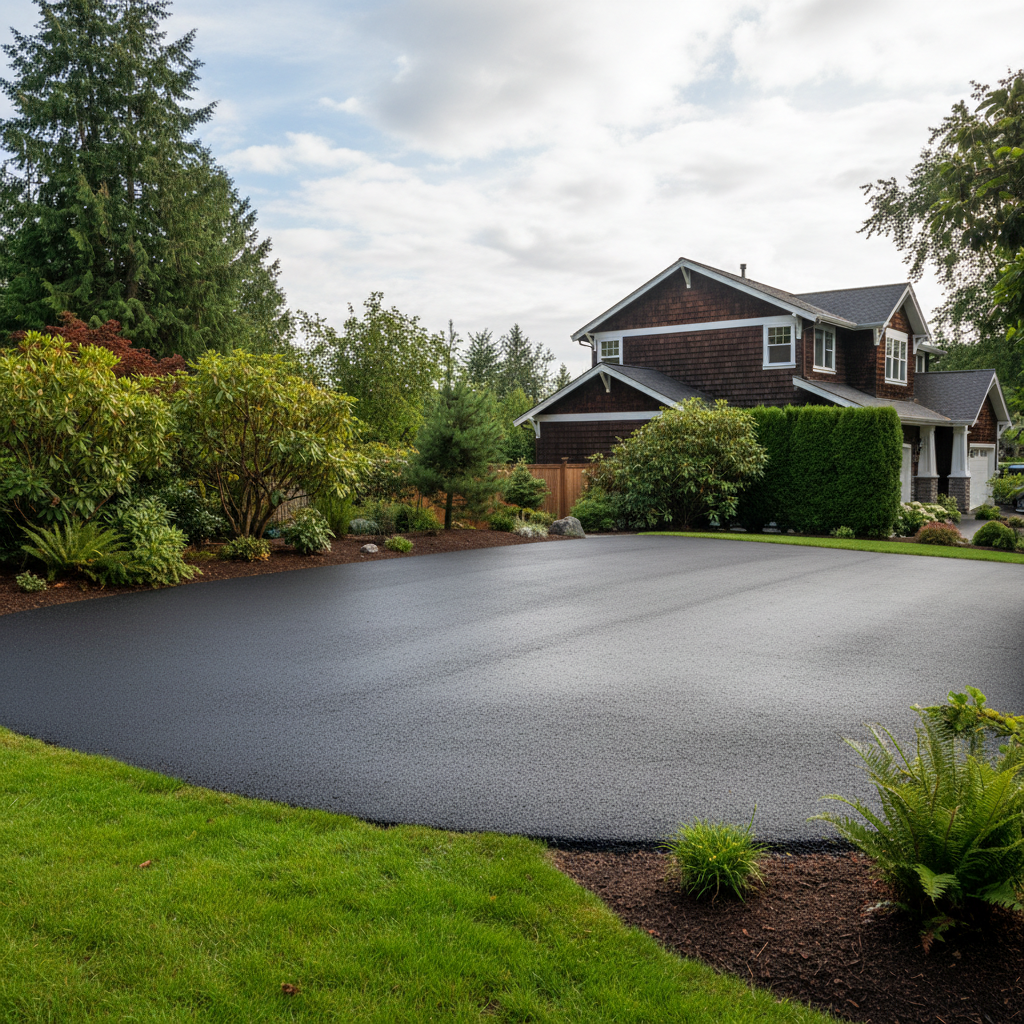
Your commercial parking lot or driveway isn't just a patch of asphalt; it's the first impression many customers get of your business. It's also a big investment, and one you want to protect. I've seen plenty of commercial properties around Kirkland, from Totem Lake to Rose Hill, where a little proactive care could've saved owners a lot of headaches and money down the road. So, let's talk about keeping that pavement strong.
Extending Your Asphalt's Lifespan in the PNW
The Pacific Northwest weather, with its constant rain and freeze-thaw cycles, is tough on asphalt. Water is the enemy. It gets into tiny cracks, freezes, expands, and then thaws, leaving bigger cracks. That's how potholes start. The best way to extend the life of your commercial asphalt is to keep water out and protect it from UV rays.
Think of it like this: your asphalt is a skin. You wouldn't leave your skin exposed to the elements without protection, right? Same goes for your pavement. Sealcoating is your first line of defense. It's a protective layer that replenishes the binders in the asphalt, making it more resistant to water, oil, and sun damage. For commercial properties, I usually recommend sealcoating every 2-3 years, depending on traffic and how much sun exposure it gets. If you've got heavy trucks constantly turning in your lot, you might need it a bit more often.
Drainage is also huge. If water is pooling anywhere on your lot, you've got a problem that needs fixing. Proper grading and working catch basins are non-negotiable. If water sits, it seeps, and then you've got base layer issues, which are way more expensive to fix than a simple crack.
What Regular Maintenance Looks Like
Regular maintenance isn't rocket science, but it does require consistency. Here's what you should be doing:
- Sweeping and Cleaning: Keep your lot free of debris, dirt, and gravel. These abrasive materials can wear down the surface over time. Plus, a clean lot just looks better.
- Crack Sealing: This is probably the most important thing you can do between sealcoats. As soon as you see a crack, get it sealed. Don't wait for it to become a pothole. Hot crack filler expands and contracts with the pavement, keeping water out. It's a simple fix that prevents major damage.
- Oil and Chemical Spill Cleanup: Oil, gas, and other chemicals eat away at asphalt. Clean up spills immediately. A good degreaser followed by a rinse can save you from a soft spot or a pothole forming.
- Line Striping Refresh: While not directly structural, clear, bright line striping improves safety and traffic flow. Faded lines are confusing and can lead to accidents. Plus, it just makes your property look well-maintained.
Warning Signs You Can't Ignore
Your asphalt will tell you when it's in trouble, if you know what to look for. Don't ignore these signs:
- Alligator Cracking: This looks like a series of interconnected cracks, much like an alligator's skin. It means the base layer underneath is failing, usually due to water intrusion. This isn't just a surface issue; it means the pavement structure is compromised.
- Potholes: Obvious, right? But a pothole is a sign that the problem has gone from bad to worse. Water has gotten under the surface, eroded the base, and now the top layer has collapsed.
- Depressions or Sinking Areas: If you see areas where the pavement is noticeably lower than the surrounding surface, that's a sign of a sub-base issue. It could be poor compaction, water erosion, or even underground utility problems.
- Raveling: This is when the aggregate (the small stones) starts to come loose from the asphalt binder, making the surface look rough and crumbly. It's often a sign of aging, oxidation, or poor quality asphalt, and it means the surface is losing its integrity.
- Standing Water: We already talked about this, but it bears repeating. Any standing water after a rain means your drainage isn't working right or your lot has settled unevenly.
When to Call a Professional (Like Ace Asphalt Paving)
You can handle sweeping and some minor crack filling yourself, but for anything more serious, you need to call in the pros. If you're seeing alligator cracking, significant potholes, large areas of raveling, or drainage problems, it's time to get an expert opinion. We've got the equipment and the know-how to properly diagnose the issue and recommend the right fix, whether it's patching, an overlay, or full-depth repair.
Trying to patch alligator cracking yourself is like putting a band-aid on a broken bone; it just won't hold. A professional will assess the extent of the damage, which often goes deeper than just the surface. We'll make sure the repair lasts and integrates properly with the existing pavement. Don't wait until your lot is a minefield of potholes. Catching these issues early saves you money and keeps your customers happy and safe.