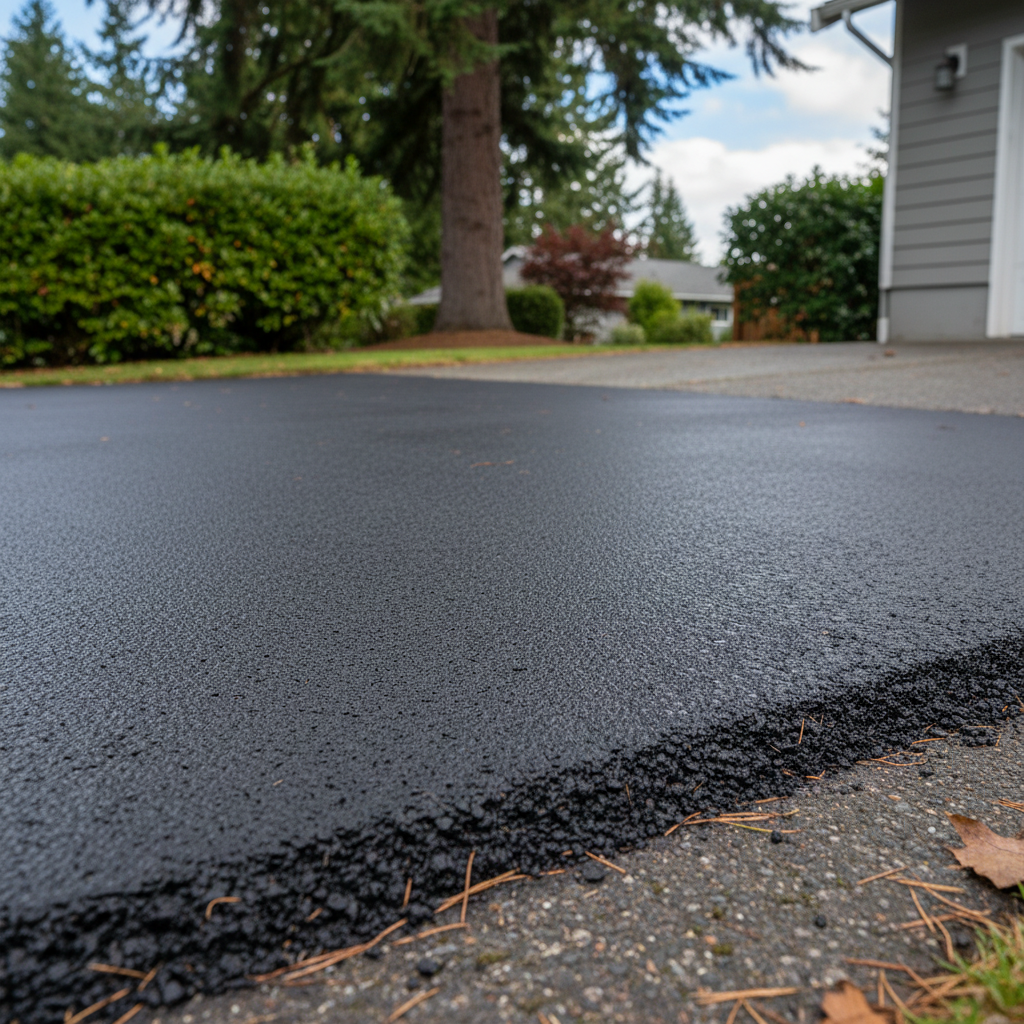
Alright, let's talk about asphalt repair. I've been doing this for a long time here in Kirkland, and honestly, I hear the same questions from homeowners again and again. It's totally understandable; you want your driveway to look good and last, but who wants to spend money they don't have to? So, I'm going to lay out the real deal on what you need to know about fixing up your asphalt.
When do I really need to repair my asphalt, and when can I just leave it?
This is probably the most common question I get. Look, not every tiny crack means you need to call me out right away. If you've got a few hairline cracks, especially if they're not spreading or letting water sit, you can probably just keep an eye on them for a bit. Think of it like a small scratch on your car – annoying, sure, but not critical. But if those cracks start getting wider than a quarter-inch, or if they're connecting up to form a network (what we call 'alligator cracking'), then you've got a problem brewing. Water is going to get in there, freeze, expand, and turn that small crack into a pothole faster than you can say 'Kirkland rain.' Once water gets under the asphalt, it starts eroding the base, and that's when things get expensive. So, small stuff? Monitor it. Spreading cracks, potholes, or areas that are sinking? Get it looked at. You don't want to wait until your driveway looks like a jigsaw puzzle, do you?
What's the difference between crack filling and sealcoating? Do I need both?
Good question, because people often mix these up. Crack filling, or crack sealing, is exactly what it sounds like: we clean out individual cracks and fill them with a hot, flexible material. This stuff expands and contracts with the pavement, keeping water out of the base. It's a targeted repair for specific damage. Sealcoating, on the other hand, is like putting a fresh coat of paint on your driveway. It's a thin layer of asphalt emulsion that goes over the entire surface. It protects the asphalt from UV rays, oxidation, and makes it look brand new. You usually do crack filling before sealcoating, because there's no point in sealing over cracks that are just going to let water in anyway. Think of it this way: crack filling fixes a leak; sealcoating paints the roof to protect it from the sun and weather. You definitely want both for the best protection and longevity.
How long does an asphalt repair typically last in our climate?
That really depends on the type of repair and how well it's done, but our Kirkland weather plays a big role. For crack filling, if it's done right with quality materials, you can expect it to hold up for 3 to 5 years, sometimes more. The constant freeze-thaw cycles we get here, especially in areas like the hilly Highlands where water can sit, are tough on pavement. Pothole repairs, if they're just surface patches, might only last a year or two before the edges start to fail. A full-depth patch, where we cut out the damaged section and rebuild the base, will last much longer – often 5 to 10 years, or even more if the underlying drainage is good. Regular sealcoating every 2-3 years after repairs will extend the life of everything significantly. It's all about keeping that water out.
Can I just fix a pothole myself with a bag of cold patch?
You can, but I'm going to be honest with you: it's usually a temporary fix at best. Cold patch is good for an emergency, like if you've got a really dangerous pothole and you need to make it safe until a professional can get there. It's easy to use, you just dump it in and tamp it down. But it doesn't bond permanently to the existing asphalt, and it's not as dense or durable as hot mix asphalt. So, it'll usually start breaking up and popping out within a few months, especially with cars driving over it and our wet winters. If you want a repair that actually lasts, you need a proper hot mix asphalt patch. That means cutting out the old, bad asphalt, preparing the base, and then compacting hot asphalt into the void. It's a whole different ballgame and it's what Ace Asphalt Paving specializes in for lasting results.
My driveway is sinking in one spot. What's causing that, and what's the fix?
A sinking spot is almost always a sign of a problem with the sub-base, the material underneath your asphalt. The most common culprits are poor drainage, a utility trench that wasn't properly compacted when it was filled, or sometimes even tree roots. Water is usually the main enemy here. If water is getting under your driveway and washing away the soil or aggregate base, the asphalt above it loses its support and starts to sag. The fix isn't just patching the top; you need to address the underlying issue. We'd have to cut out the affected area, excavate down to the problem, fix the drainage or re-compact the base materials, and then put in new asphalt. It's a bigger job than a simple pothole, but it's crucial to prevent the problem from spreading.
How do I know if my asphalt needs repair or if it's time to just replace the whole thing?
This is the big one, and it comes down to how much damage there is. If you've got isolated cracks, a few potholes, or some minor surface deterioration, repairs and sealcoating can definitely extend the life of your driveway for many years. We're talking about fixing specific problems. But if your entire driveway is covered in widespread alligator cracking, if it's got multiple large potholes, significant areas of crumbling, or if it's sinking in several places, you're likely past the point where repairs are cost-effective. Trying to patch a driveway that's failed across 50% or more of its surface is like putting a band-aid on a broken arm – it just won't hold. At that point, you're better off investing in a full removal and replacement. It's more upfront, but it'll give you a brand new, solid surface that will last decades, rather than throwing good money after bad on endless patches.
Hope this helps clear up some of the confusion around asphalt repair. Don't hesitate to reach out if you've got specific questions about your driveway. We're here to help keep your Kirkland property looking good and functioning safely.