Is your asphalt driveway looking a little rough around the edges? Got some serious cracks, potholes, or just uneven spots that are driving you crazy? You might have heard about asphalt milling as a solution, and you're probably wondering what it actually is and if it's right for your place.
Let's cut right to it: asphalt milling isn't just some fancy term. It's a smart way to fix up an old asphalt surface without tearing out the whole thing. Think of it like a giant planer for your driveway. A specialized machine comes in and shaves off the top layer of existing asphalt, leaving you with a fresh, level surface ready for new pavement. It's a fantastic option for a lot of folks here in Kirkland, especially with our wet winters and the way tree roots can mess with driveways in older neighborhoods like Juanita.
Before the Milling Machine Shows Up
Alright, so you're considering milling. What do you need to think about first? First off, assess your situation. Is your driveway just showing surface wear, or are there deeper structural issues? Milling is great for:
- Fixing rutting or uneven surfaces caused by heavy traffic or poor drainage.
- Removing severely cracked or deteriorated top layers.
- Lowering the grade of your driveway to meet a new garage floor or sidewalk.
- Prepping for a new overlay when you don't want to raise the overall height too much.
If you've got serious sub-base problems – like your whole driveway is sinking in one spot because of soft soil underneath – milling alone won't fix that. You'd need a full tear-out and rebuild for those kinds of issues. But for most surface-level headaches, milling is a solid choice.
Another big thing: utilities. You absolutely need to know where any underground irrigation lines, electrical conduits, or gas lines are. Milling machines dig down a few inches, and you don't want them hitting anything important. Get those marked out. Trust me, it's a lot cheaper to mark them than to repair them.
During the Milling Process: What to Expect
When the crew shows up, they'll have a big machine, often called a cold planer or milling machine. This thing has a rotating drum with a bunch of teeth that chew up the old asphalt. It's loud, it creates dust, and it's pretty impressive to watch.
The machine will cut down to a predetermined depth, usually anywhere from 2 to 6 inches, depending on what's needed. As it cuts, it collects the asphalt chunks (called millings or reclaimed asphalt pavement, RAP) and loads them directly into dump trucks. This is a huge benefit: those millings can often be recycled, which is good for the environment and can sometimes save you a bit on disposal costs.
What can you do yourself during this? Honestly, not much beyond staying out of the way and keeping pets and kids clear. This isn't a DIY job. These machines are massive, dangerous, and require skilled operators. You'll want to make sure the area is clear of vehicles, planters, or anything else you don't want damaged. If you've got a specific drainage issue you're trying to solve, talk to the crew beforehand to make sure they understand the grade changes you're hoping for.
After the Milling: The Next Steps
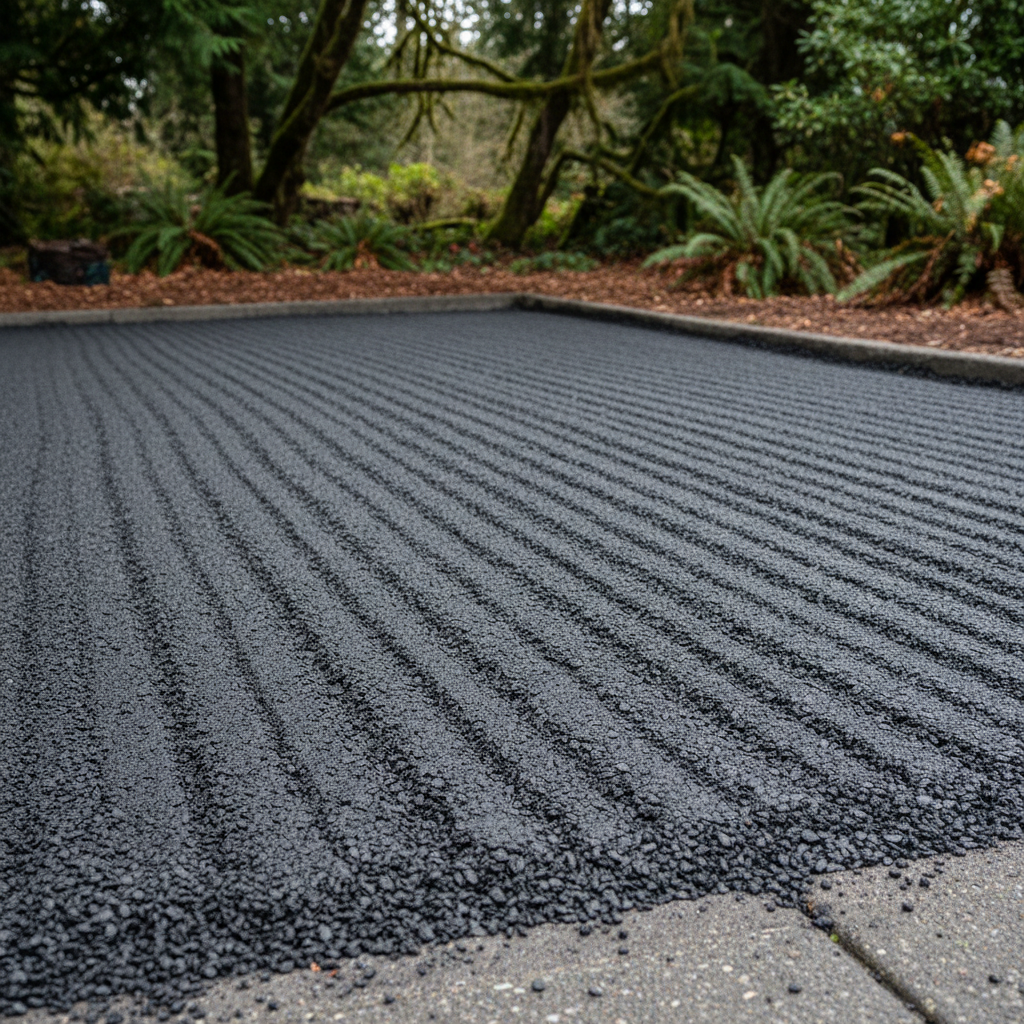
Once the milling is done, you'll be left with a rough, textured surface. This isn't your finished driveway. This is the new base. It's got a coarse, almost gravel-like feel to it. This surface is actually excellent for bonding with the new asphalt layer that will go on top.
You'll typically want to get the new asphalt overlay installed pretty quickly after milling. Leaving the milled surface exposed for too long, especially with our Kirkland rain, can lead to it breaking down or getting contaminated, which isn't ideal for the new pavement's longevity. A good contractor will usually schedule the overlay right after the milling, sometimes even the same day if it's a smaller job.
Sometimes, for very low-traffic areas or temporary solutions, people will just compact the millings and leave them as a gravel-like surface. This is common for private access roads or temporary parking areas. But for a proper driveway that you want to last, you'll need that fresh layer of hot asphalt.
When you're ready for milling or the full paving job, give us a call at Ace Asphalt Paving. We've been doing this for years around Lake Washington, and we know what it takes to get it done right the first time.